Hyperscaler's outages proves the future of game server is hybrid orchestration with multi-cloud deployments

Published: 2021.12.23. Note: This article references specific outage events from late 2021. Claims about platform availability and infrastructure behavior are time-sensitive and should be considered accordingly in the context of the period upon which this article was written.
A familiar challenge is surfacing again. During the November 2020 AWS outage, several select AWS services were down for hours. This caused significant disruption for companies worldwide. The gaming world felt the repercussions directly, and essential work-from-home tools such as Slack faced serious issues.
In gaming, time passes, and the same infrastructure challenges recur. A team of experienced developers — whether in large AAA settings where hundreds of people work on the next big hit, or a handful of small independents working hard for months to build what they believe to be the best video game ever — faces a common pressure point. Days before launch, stress and anxiety are at a fever pitch. The release date comes and goes. Players flock to the new game and the reviews are stellar. Developers are proud and the bottom line is growing. That's when the unimaginable happens: server problems.
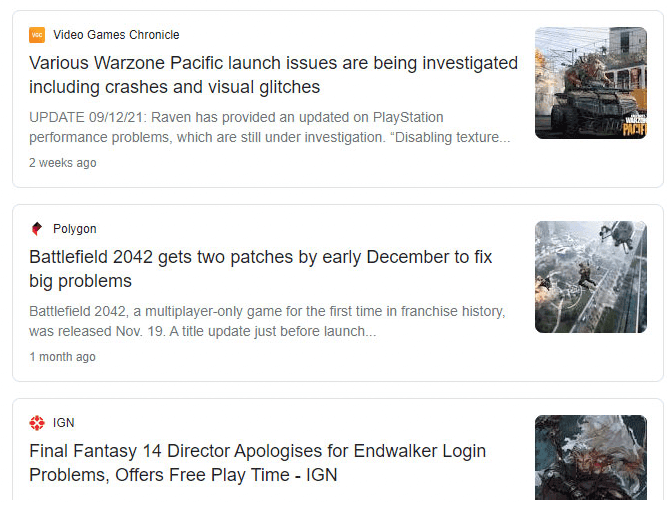
More than a typical issue, this often reflects the inherent challenges of scaling infrastructure for unpredictable demand. Some developers cannot plan for massive influxes of players, and outages can occur even with careful preparation. After all that hard work, it is worth asking whether there is a better plan to adapt and maximize uptime. Cost is often the primary driver when selecting server providers, sometimes at the expense of redundancy or scalability. Lower-cost options may involve trade-offs in hardware quality, redundancy, or scale-up speed — factors worth evaluating carefully before committing to a provider.
The solution is more straightforward than it may seem: multi-cloud and hybrid-cloud server infrastructure. This approach avoids reliance on a single network or a single provider. At Edgegap, we handle the integration and infrastructure management behind the scenes so that clients do not have to. During past outages, our clients maintained continuity, with workloads rerouting transparently to unaffected servers — keeping the experience intact for end users.
Selecting your hosting provider is critical to your game's success. Ensuring the provider can scale with your game's popularity is essential. In our experience, some orchestration models rely on reserved capacity rather than on-demand allocation, which can result in higher baseline costs and reduced redundancy. The November 2020 Amazon Web Services outage and the Microsoft Azure VM outage illustrate how infrastructure concentration can affect the entire ecosystem, from indie studios like Among Us to large AAA publishers like Square Enix.
Edgegap specializes in managing and orchestrating game servers and components worldwide. The infrastructure exists to protect your players and your revenue. Take the time to evaluate your options before the next launch.
Written by
the Edgegap Team