Korea’s Web3 POP Extraction Shooter Goes Global, Instantly
Written in collaboration with
NDUS Entertainment
Key Highlights
Edgegap's regionless edge network gave XOCIETY's team instant access to 615+ locations worldwide at a single price point, eliminating the usual forced choice between market coverage and budget. Players in North America, Europe, and beyond could access the game on launch without selective rollouts or latency penalties.
XOCIETY's team was building a technically ambitious third-person extraction shooter RPG without a large backend engineering department. Edgegap's clear documentation, engine-compatible tooling, and Discord-based support made integration fast, even across a language barrier. The team could focus on the game, not the infrastructure.
Extraction shooters demand low-latency, consistent server performance. Edgegap's patented decision-making system placed servers at the optimal location for each match automatically, delivering the responsiveness the genre requires without dedicated backend developers to manage it.
The Studio
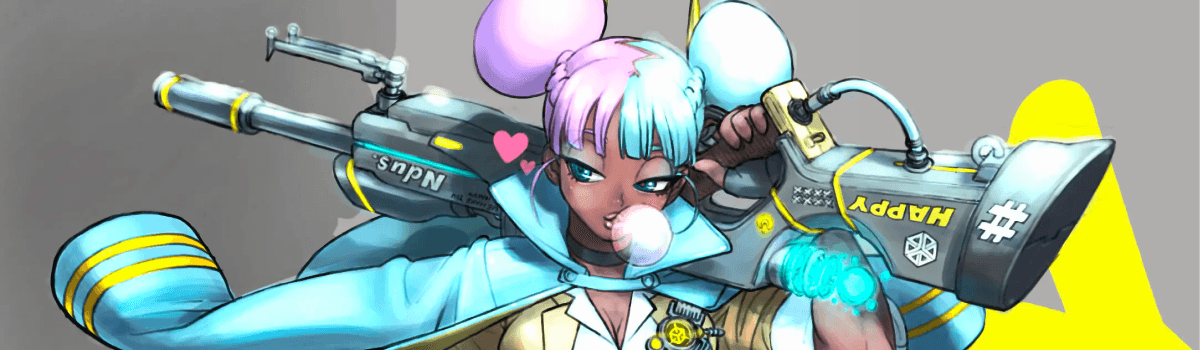
XOCIETY was developed by a Korean indie team with a bold vision: a third-person extraction shooter RPG set in a deep sci-fi world, where every in-game decision creates real effects on gameplay, the environment, and a living market economy. Published via Early Access on the Epic Games Store, XOCIETY combined PvP and PvE gameplay with RPG mechanics and economic systems designed to give players genuine agency over the world around them.
The ambition was unmistakable. The team was smaller than the scope of the project might suggest.
The Challenge
Extraction shooters are one of the most demanding multiplayer genres to operate. Players expect server performance on par with AAA titles. A lag spike or a failed session at the wrong moment doesn't just frustrate the player. It ends their run and costs them everything they earned.
For a Korean studio shipping to a global Early Access audience on the Epic Games Store, the infrastructure challenge was twofold. Reliable, low-latency servers were needed for players across North America, Europe, and Asia simultaneously. And all of it had to be built and operated without a backend team scaled to match the task.
The Solution
Edgegap's containerized orchestration gave XOCIETY's team dedicated game servers deployed automatically at the ideal location for each match, across 615+ locations worldwide, with no regional configuration required.
Integration was fast. Edgegap's documentation covered the technical steps clearly, and Discord-based support helped bridge any gaps, including across languages. For a Korean studio shipping to a global audience, responsive human support in an accessible format made a meaningful difference.
Once live, the platform handled the operational complexity automatically. Servers spun up just-in-time as players queued, scaled with demand, and shut down when sessions ended. The team paid for actual compute usage, not idle capacity.
That pricing model suited Early Access well. Player counts fluctuate. Committing to fixed regional infrastructure ahead of knowing the actual distribution of your audience is a costly bet. Edgegap's single universal price across all locations removed that uncertainty entirely.
Conclusion
XOCIETY was an ambitious project from a small Korean team stepping into one of online gaming's most demanding genres. Edgegap gave them the infrastructure foundation to compete on equal terms: global reach from day one, automatic server placement, and an integration process built for teams moving fast without a backend department.
The platform handled the complexity. The team focused on the game.