Le jeu de hockey avec une physique côté serveur et une latence sous les 50 ms
Rédigé en collaboration avec
NS7
Points clés
L’architecture axée sur la compétition de Puck nécessite l’utilisation de multiples emplacements au plus proche des joueurs afin de garantir un gameplay en ligne hautement compétitif et à faible latence. Les coûts d’infrastructure et de gestion humaine d’une telle architecture distribuée ne sont possibles, et viables, que grâce à l’orchestration brevetée d’Edgegap.
Puck’s modèle de monétisation F2P signifie qu'il doit être disponible et offrir une expérience de jeu en ligne à faible latence, dans le monde entier, pour atteindre une base de joueurs mondiale de fans de hockey. Le réseau edge sans région d'Edgegap est le seul à fournir aux développeurs de jeux un accès instantané au plus grand réseau multi-cloud au monde avec plus de 615 emplacements, à la demande.
NS7 est un studio indépendant avec des ressources de développeur limitées. L'utilisation de la plateforme automatisée d'Edgegap lui a permis de se concentrer sur ce qui importe, le jeu, laissant à la plateforme et à l'équipe d'Edgegap la gestion de l'infrastructure et de l'expérience en ligne des joueurs.
L'architecture d'Edgegap permet un déploiement réellement juste à temps ; NS7 n'a pas d'instances de serveur préchauffées/préparées qui attendent et sont prêtes (tout en étant facturées même si elles ne sont pas utilisées par les joueurs) comme dans l'orchestration traditionnelle basée sur une flotte. De ce fait, NS7 est capable de démarrer un serveur de jeu en 2 secondes, ce qui en fait la meilleure option pour aligner le coût d'OPEX avec le modèle de monétisation F2P du jeu et cibler l'ARPU.
Le Studio
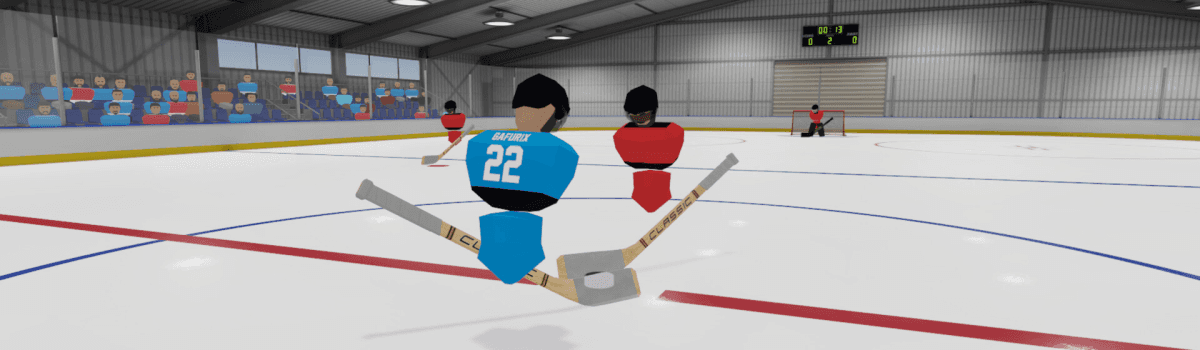
Puck est une simulation de hockey F2P rapide et axée sur la physique qui donne au joueur un contrôle total. Chaque passe, tir et check corporel est alimenté par une physique réaliste, rendant chaque match imprévisible, basé sur les compétences et infiniment rejouable.
Construit avec le jeu d'équipe en ligne et multijoueur comme axe central, où les joueurs doivent travailler ensemble pour créer des moments décisifs dans le jeu. Que ce soit en livrant une passe parfaite à travers les défenseurs, en préparant un coéquipier pour un tir à un toucher, ou en exécutant un give-and-go fluide, le travail d'équipe est au cœur de chaque action inoubliable.
En d'autres termes, une expérience de hockey véritablement authentique en première personne.
Le Défi
Nils Asejevs, développeur principal chez NS7, avait pour vision de Puck de développer une expérience de hockey fidèle à la réalité pour assurer une expérience sportive véritablement compétitive. Plus précisément, cela signifiait qu'il voyait la nécessité de s'assurer :
“que toutes les entrées des joueurs soient envoyées au serveur, que le serveur effectue la physique et renvoie les positions et rotations des joueurs à chaque client”.
Cela signifiait que la seule approche réaliste pour concrétiser cette vision était d'avoir un gameplay à faible latence à l'échelle mondiale.
Cela signifiait une plateforme d'orchestration qui devait aider NS7 :
À fournir “pour un RTT inférieur à 50 ms pour tout joueur connecté (en jeu compétitif)”;
Un “fournisseur de services [avec] une vaste gamme d'emplacements où je peux déployer mes serveurs”
La capacité à déployer “des déploiements presque instantanés”, pour garantir “que les joueurs puissent entrer dans un nouveau serveur avec leurs amis en quelques secondes”
En même temps, le studio devait être stratégique avec le temps et le budget ; avec le développement concentré entre une seule paire de mains, le travail de back-end devait être efficace pour que la majeure partie de l'attention puisse rester sur la création du gameplay, le rythme et l'expérience globale du joueur.
Ces contraintes ont façonné Puck autant que sa direction créative.
La Solution – Orchestration de Serveurs de Jeu
L'orchestration moderne d'Edgegap repose sur trois fondations majeures qui aident les studios avec leur hébergement de serveurs de jeu :
Edgegap utilise des conteneurs, qui standardisent le déploiement de ces charges de travail informatiques, résolvant la consistance de performance à travers les expériences en ligne et permettant aux serveurs de jeu d'être déployés en 1 à 3 secondes dans le monde entier pour lancer des jeux plus rapidement.
L'orchestration d'Edgegap tire parti du premier et plus grand réseau en bord sans région au monde qui permet aux studios de jeux de déployer des serveurs de jeu dans le monde entier à plus de 615 emplacements à un prix unique, résolvant à la fois les problèmes de coût et de couverture pour les studios de jeux où l'un (généralement la couverture) devait être sacrifié pour optimiser l'autre (généralement le coût).
Enfin, l'orchestration d'Edgegap utilise un système de prise de décision breveté pour déployer des serveurs de jeu à l'emplacement idéal pour chaque joueur dans un match (généralement le plus proche), aidant à améliorer l'expérience de jeu avec une latence plus faible pour tous les joueurs.
Edgegap se vante également de sa facilité d'intégration et de son support.
Comme l'a dit Nils :
Cela me mène à pourquoi j'ai choisi Edgegap.
Combinés, ces éléments ont permis à Puck de concrétiser sa vision.
Intégration et Migration Simples : Intégrer l'API d'Edgegap a été remarquablement simple, permettant à NS7 d'ajouter de l'hébergement de serveurs de jeu dédiés et de l'orchestration, un processus qui aurait pris des mois avec une infrastructure traditionnelle. La documentation claire couvrait la plupart des sujets et un support technique réactif sur Discord a aidé à combler les dernières lacunes. Pour une petite équipe, cela signifiait des centaines d'heures économisées et consacrées au jeu lui-même, et non à son back-end.
Portée Globale Instantanée: Dès le moment où Puck a été lancé, NS7 a pu déployer leur jeu dans plus de 615 emplacements dans le monde entier à un prix unique, à la demande. Cela a éliminé le dilemme traditionnel coût versus couverture, permettant au studio d'atteindre des joueurs dans des marchés auparavant prohibés par le coût ou une disponibilité régionale sélective qui aurait créé des problèmes de latence pour les joueurs dans ces pays.
Infrastructure Automatisée: La plateforme conteneurisée a automatisé des processus critiques de déploiement et de mise à l'échelle, réduisant considérablement la charge technique sur la petite équipe de NS7. Sans développeurs de back-end dédiés, le studio pouvait se concentrer sur le développement du jeu pendant qu'Edgegap gérait automatiquement l'orchestration complexe de leur infrastructure multijoueur.
Conclusion
Puck’s development et sa disponibilité continue pour les joueurs du monde entier reflètent comment une conception réfléchie, des décisions techniques audacieuses, et la détermination d'un studio à effectif réduit peuvent offrir une expérience en ligne de classe mondiale.
En adoptant une architecture autoritaire par serveur et en visant une réactivité inférieure à 50 ms, NS7 a établi une norme élevée pour le gameplay compétitif, même avec des ressources limitées et un calendrier de développement serré. Avec le bon support d'orchestration en coulisses, le studio était libre de se concentrer sur la création de l'expérience de hockey rapide, axée sur la physique, qui est au cœur de Puck.
Le résultat est un jeu qui prouve que les petites équipes peuvent atteindre une précision à grande échelle, offrant aux joueurs une arène fluide, mondiale et véritablement compétitive pour jouer.
La preuve ? Des milliers d'avis extrêmement positifs lors de son lancement initial !
Comme le dit un des fans du jeu :
Ce jeu ♥♥♥♥♥♥♥ déchire